MTB or mountain biking has been a famous endeavor, not only to sports enthusiasts, but also to hobbyists as well. It is known for it's thrilling and adventurous features going off in a bike over rough terrains - be it natural or not. Needless to say, it requires endurance, core strength and balance, bike handling skills, and self-reliance. Mountain biking is divided into several categories, namely: cross country, trail riding, all mountain (also known as "Enduro"), downhill, free-ride, and dirt jumping.
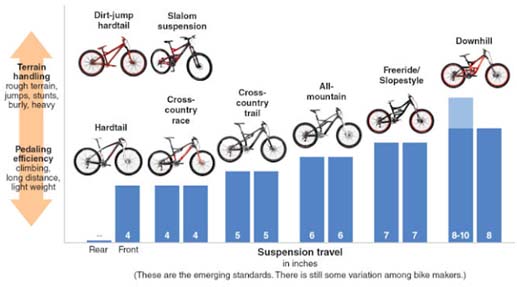

Since majority falls into cross country and trail riding, I'm going to start off with cross country. Cross country, commonly known as "XC" is the most common discipline of MTB, but it only became an Olympic sport in 1996. It was the only form of MTB included in the Olympics program by then.
As oppose to free-riding, downhill-ing and dirt jumping wherein aerial maneuvers are performed off both natural features and specially constructed jumps and ramps, steep technical descents and high incline climbs are targeted in cross country, especially by advanced riders. According to an article by Alistair Hamilton, XC is riding the bike up and down hills, and are usually long rides (races vary from 30mins - 24hrs). Speaking of up and downhills, XC bikes sacrifice strength for weight, especially in the wheels and tires. This is understandable since most races spend a lot more time going up than down.

It may be safe to say that it is easier compared to the other categories such as free-ride, downhill or all mountain. Riding or racing is not considered XC if the technical complexity of the trails aren't easy or moderate, that even advanced riders couldn't handle. The course consists of a mix of rough forest path and single track, smooth fine roads and even paved path connecting other trails.
XC races emphasizes endurance above technical prowess. It features a mass start or interval start, wherein riders are released in several large groups divided by age and/or ability. There are a couple of disciplines under XC racing.

- XC eliminator (XCE)
- The last person or the last two (2) people who go through the finish line are out of the race.
- XC Olympic (XCO)
- It consists of lap racing around a short circuit, and requires high mountain bike skills.
- XC Marathon (XCM)
- An open competition race with routes ranging from 65-100 kilometers.
